Best Vegetables for Pots: Container Sizes for 8 Easy Crops
Why These Vegetables Work in Pots
Not every vegetable is a good match for container life — but the ones on this list actually prefer it, or at least don’t mind it. They stay a manageable size, don’t need a full garden bed to produce, and are forgiving of the occasional missed watering or less-than-perfect soil. If you’re picking your first crops for a balcony, patio, or windowsill, start here.
This post contains affiliate links, meaning we may earn a small commission at no extra cost to you — full details are on our Affiliate Disclosure page.
Still deciding whether pots are the right way to start at all? Our raised beds vs. containers guide compares the two honestly on cost, space and watering.
Brand new to growing food? Pick just one plant from this list for your first pot. Our container vegetable gardening for beginners guide walks one pot of lettuce from empty to first harvest.
Sunlight is the other deciding factor. Fruiting vegetables like tomatoes and peppers want as much direct sun as you can give them: the University of Maryland Extension puts warm-season crops at 6 to 8 hours a day. Leafy greens are more flexible and can get by on 3 to 5 hours, with a little afternoon shade actually helping them in hot weather.
1. Patio & Cherry Tomatoes
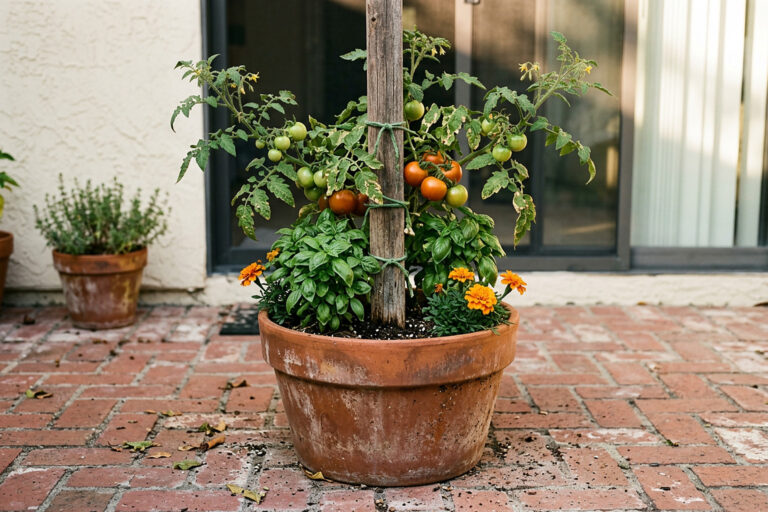
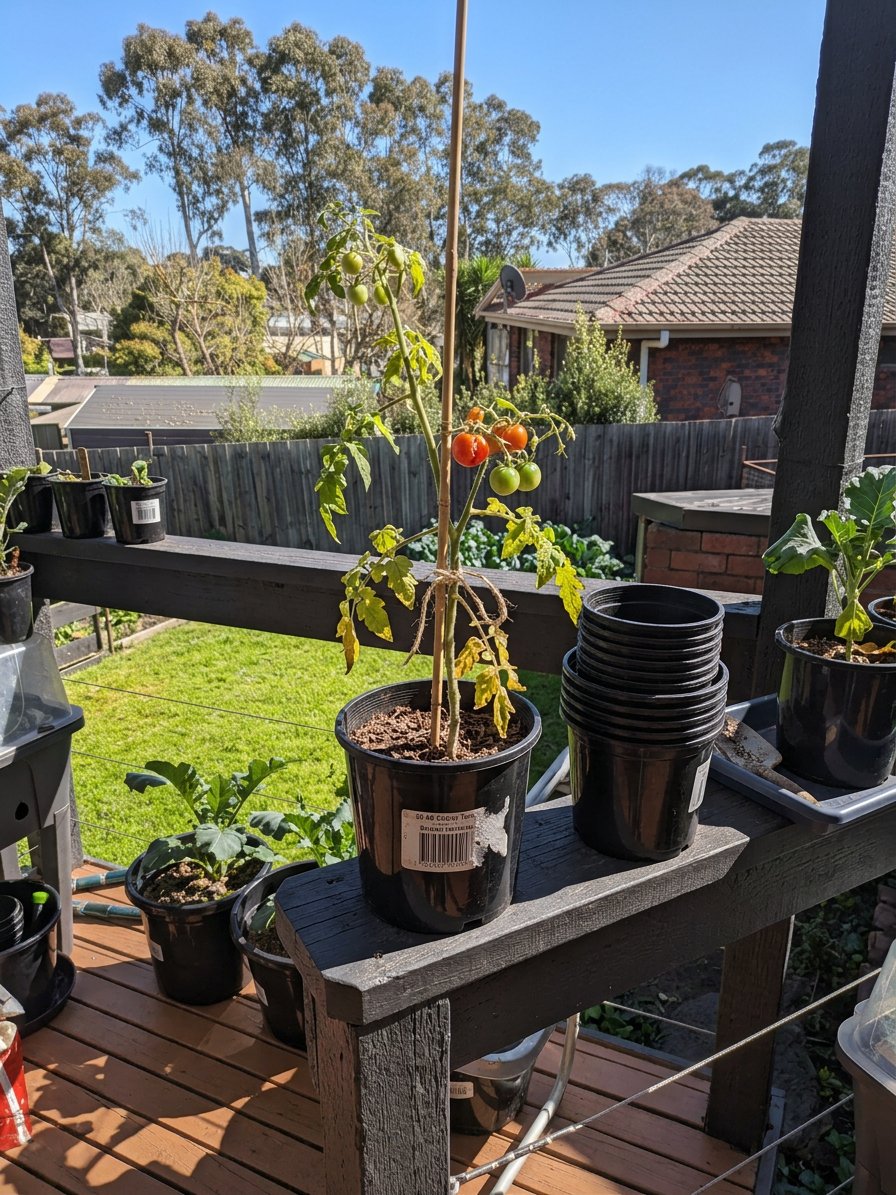
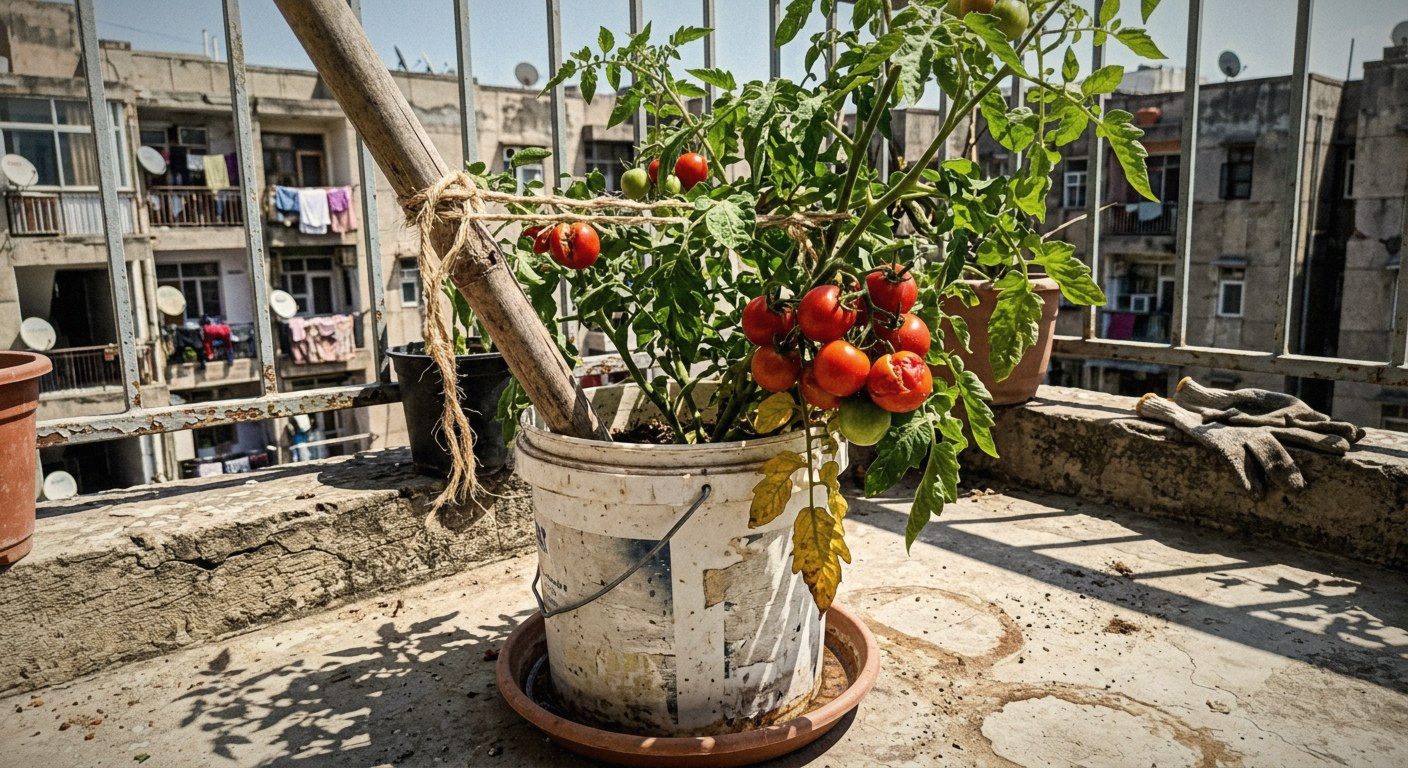
Full-size tomato plants can outgrow almost any pot, so look for varieties bred to stay compact — patio, dwarf, or “bush” types, along with most cherry tomatoes. Give a dwarf or cherry variety at least a 5-gallon container (RooTrimmer’s 5-gallon plastic nursery pots work well here); if you have the room, 10 gallons or more will get you a bigger harvest (Penn State Extension suggests a pot at least 20 inches wide for a single tomato). Tomatoes are heavy feeders and heavy drinkers, so plan on watering daily once the weather turns hot, and expect to add a stake or small cage once the plant starts producing.
2. Peppers
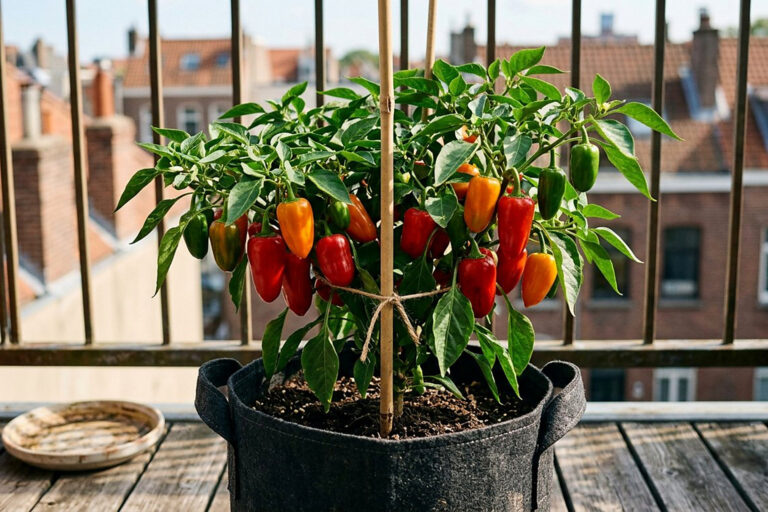
Peppers are one of the most forgiving container vegetables — give a single plant at least a 5-gallon pot, and size up to 8 to 10 gallons for full-size bell peppers if you have the room (compact or dwarf varieties can get by with 4 to 6 gallons). Like tomatoes, they want a spot with 6 to 8 hours of direct sun and consistent watering; sweet bell peppers and smaller hot varieties (jalapeño, Thai chili) both do well in pots.
For pot sizes, compact varieties, and care, see our full guide to growing peppers in containers.
3. Bush Beans
Skip pole beans, which need a trellis, and go with bush beans instead — they stay compact and don’t need support. Texas A&M AgriLife Extension lists a 2-gallon container as the minimum for beans, with plants about 3 inches apart, so a 5-gallon pot holds a small row. Give them full sun (6 to 8 hours a day). Bush beans are quick from seed to harvest and a good confidence-builder for a first-time grower.
4. Lettuce & Other Leafy Greens
Lettuce, spinach, and other leafy greens are the easiest entry point into container growing: they’re shallow-rooted, so they don’t need a deep pot (6 to 8 inches of soil is enough), and they’ll tolerate less sun than fruiting vegetables — 3 to 5 hours is plenty, with some afternoon shade actually helping them avoid bolting in summer heat. Texas A&M suggests about 2 leaf lettuce plants per gallon of potting mix, or grow a cut-and-come-again mix and harvest with scissors as needed. Our Balcony Greens guides go deeper on this pillar.
5. Bush-Type Cucumbers
Regular cucumber vines sprawl too far for most containers, but bush or “compact” cucumber varieties are bred to stay short and can still produce a full harvest. Give one plant a 5-gallon container of its own, in full sun, and provide a small trellis or stake if you have one — even bush types appreciate the support once fruit starts to weigh the vine down.
6. Compact Summer Squash & Zucchini
Standard zucchini plants get enormous, but compact or “bush” summer squash varieties are built for pots. Give one plant a 12- to 18-inch container (roughly 5 to 7 gallons), full sun, and consistent watering — squash is thirsty, especially once it starts fruiting.
7. Carrots (Short & Round Varieties)
Skip long, tapered carrot varieties in containers — they need more depth than most pots offer and tend to come out forked or stunted. Short or round varieties are built for shallow soil instead: a 1- to 2-gallon container holds a handful of short carrots, while a 5-gallon pot will fit a fuller crop of medium-length ones. Texas A&M’s rule of thumb is a pot at least 2 inches deeper than the carrot’s mature length.
8. Herbs
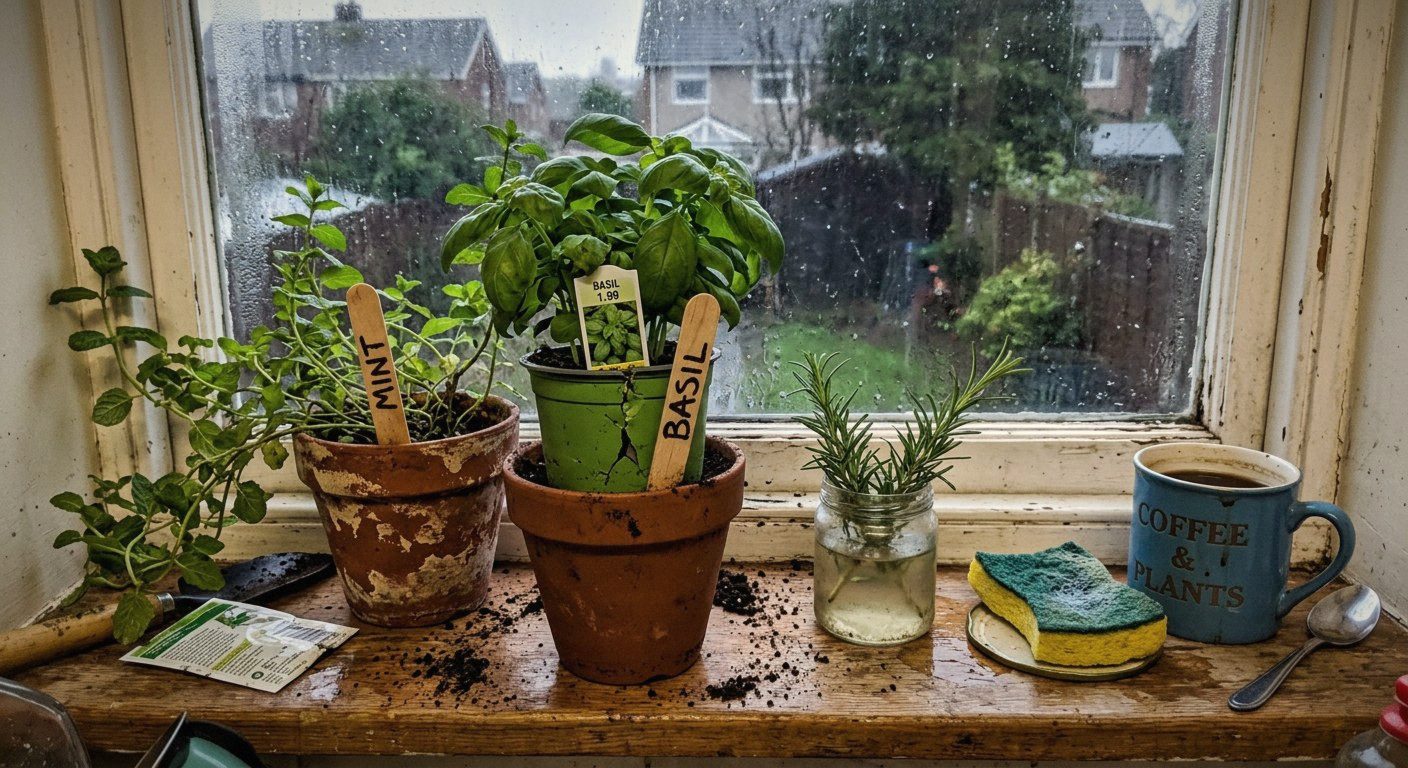
Most culinary herbs are naturally suited to pots — they’re compact and don’t need much root depth (8 inches of soil is generally enough). Give them as much direct sun as your space allows; most need at least 6 hours a day to stay productive and flavorful. Mediterranean herbs like rosemary and thyme actually prefer the slightly drier conditions containers provide, while basil and mint are happy in pots too, as long as they don’t dry out completely. We cover herb-specific pairings and care in Windowbox Herbs.
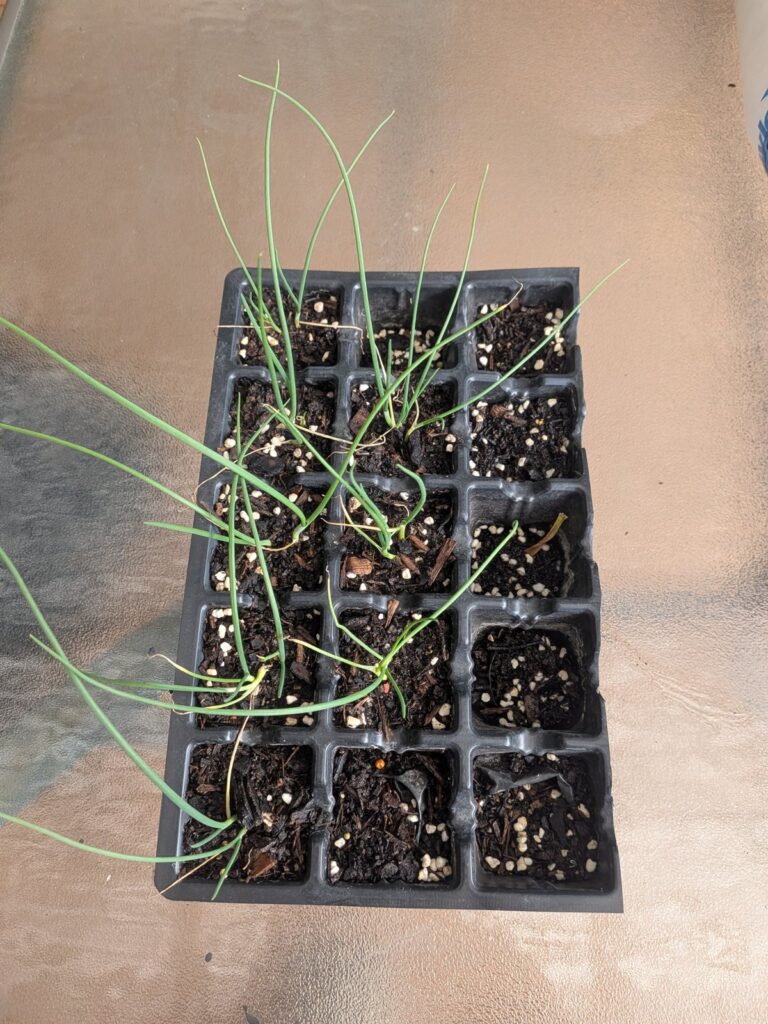
Onions are another good fit if you have patience: their roots are shallow, so a pot about 6 inches deep is enough, and green onions fit 3–5 to a 1-gallon pot. Our guide to growing onions from seed in containers covers sowing, the seedling “haircut” and transplanting.
Choosing the Right Container
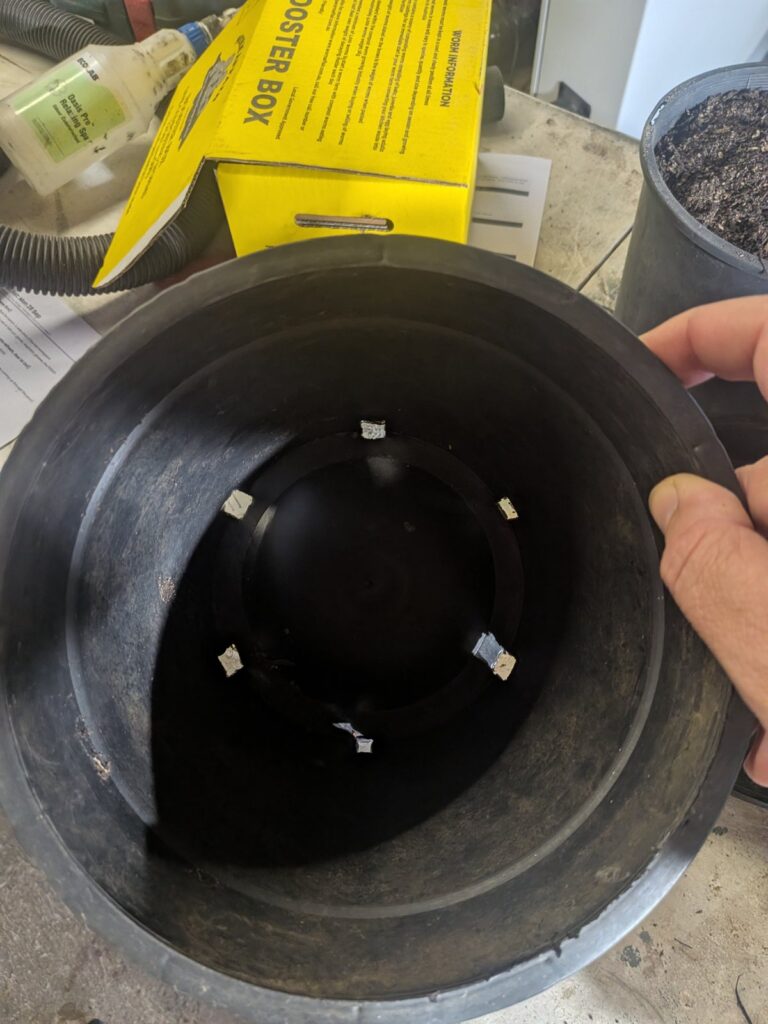
Whatever you grow, the container matters as much as the plant. Look for drainage holes above anything else — a pot without them will drown your plants no matter how well you’ve done everything else. Beyond that, match the depth to your crop (shallow for greens and herbs, deep for tomatoes and squash), and don’t be afraid to size up if you’re unsure — a slightly bigger container is far more forgiving than one that’s too small. Our Recommended Gear page covers what to look for in more detail.
Once you’ve picked your crops, our guide to companion planting for container vegetables shows which ones can share a pot and which should stay apart.
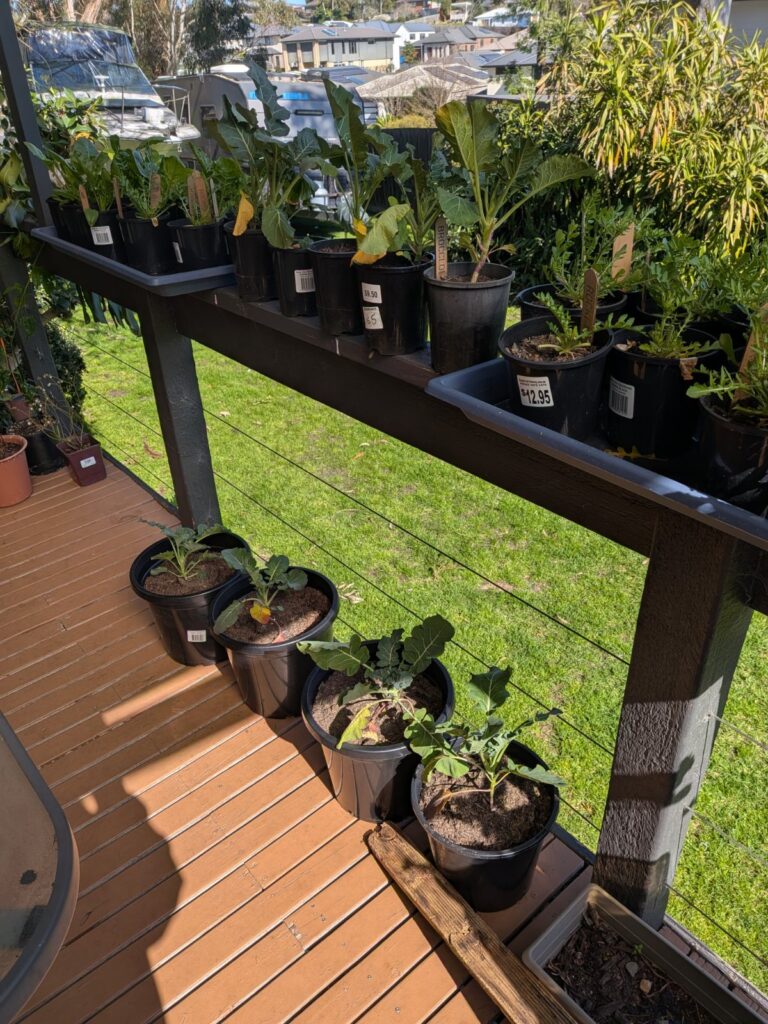
New to all this? Start with our Start Here guide, or head straight to Pot & Tub Veggies for more on growing tomatoes, peppers, and beans in containers.
And if something’s already not looking right in one of your pots, our guide to diagnosing dying container vegetables by symptom can help you work out why.