Can You Leave Vegetable Pots Outside in Winter?
Terracotta, ceramic, plastic, grow bags: which pots can stay outside in winter, what to do with the soil and roots, and when to move them under cover.
This is the pillar every other one on the site quietly depends on. Potting soil versus garden soil, how deep a container actually needs to be, how often and how much to water through the seasons, when and how to feed — none of the specific crop guides make sense without these fundamentals in place first. If a plant elsewhere on this site isn’t doing what the guide says it should, the answer is usually here.
Container gardening breaks a few rules that garden-bed gardening takes for granted. Garden soil compacts and drains poorly in a pot; containers dry out faster than beds do, especially in summer heat; and because there’s no surrounding soil to buffer nutrients, containers need a more deliberate feeding schedule rather than relying on the ground to provide it. Getting these three things right — the right mix, the right watering rhythm, the right feeding schedule — solves the vast majority of container-gardening problems before they start.
Whichever pillar brought you here — Balcony Greens, Pot & Tub Veggies, or Pocket Vertical — the guides in this category apply to all of them. If you’re brand new to any of this, Start Here is the best place to begin before diving into the specifics below.
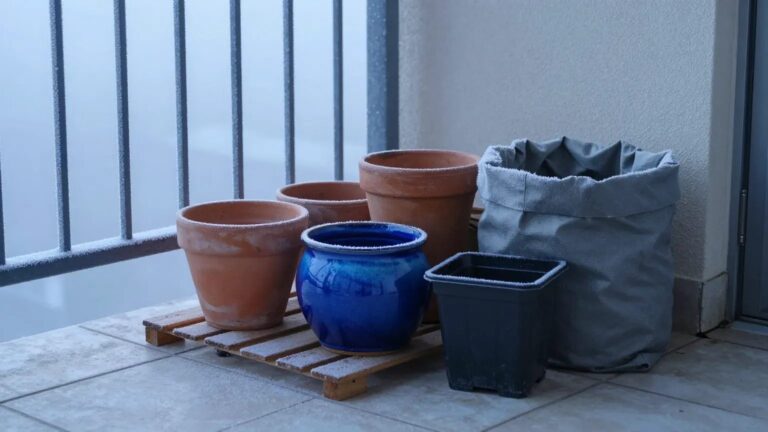
Terracotta, ceramic, plastic, grow bags: which pots can stay outside in winter, what to do with the soil and roots, and when to move them under cover.
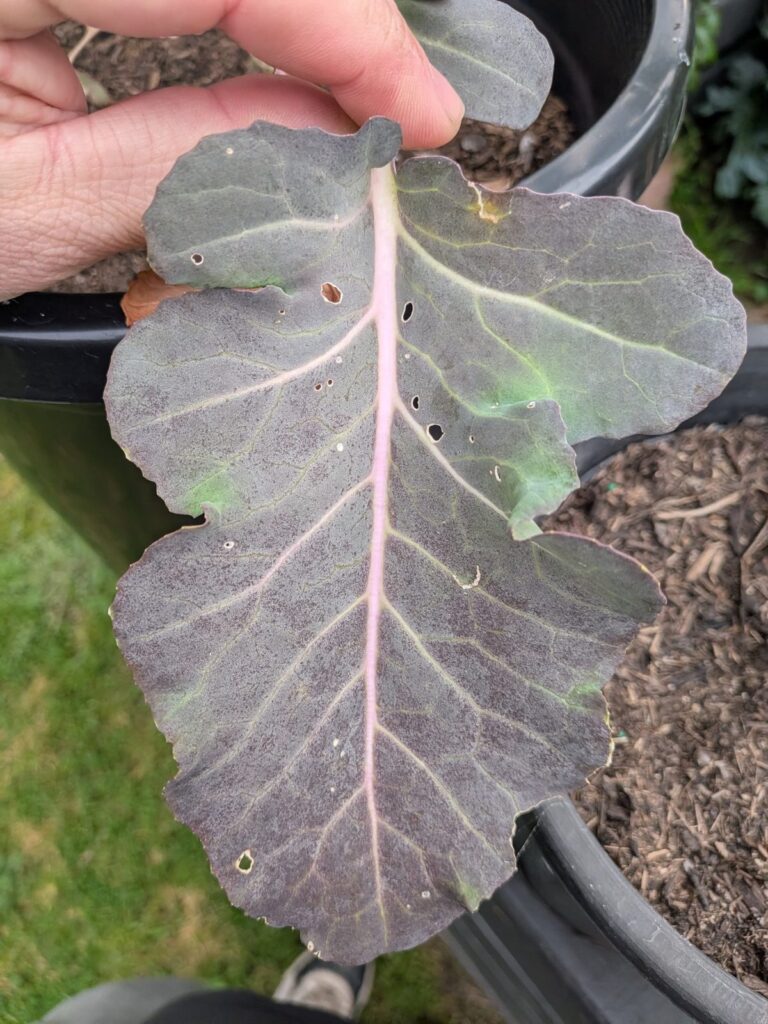
Find out what’s eating your broccoli leaves from the damage: aphids, cabbage worms, slugs or earwigs. Simple fixes for broccoli in pots.

If your container vegetable dries out fast, stalls, or has roots poking out the drainage holes, it’s likely root-bound. Here’s how to check, fix, and prevent it.

Self-watering containers can be a game-changer for tomatoes on a hot balcony, and a waste of money for rosemary. Here’s how they work, their honest pros and cons, a cheap two-bucket DIY, and a clear worth-it-or-skip-it verdict.

Most beginner container gardens don’t fail because of bad soil or a poor sunny spot. They fail because of watering — either too little, too often, or on a fixed schedule that doesn’t match what’s actually happening in the pot. One plant, one pot, one harvest only works if the “one pot” part gets enough…
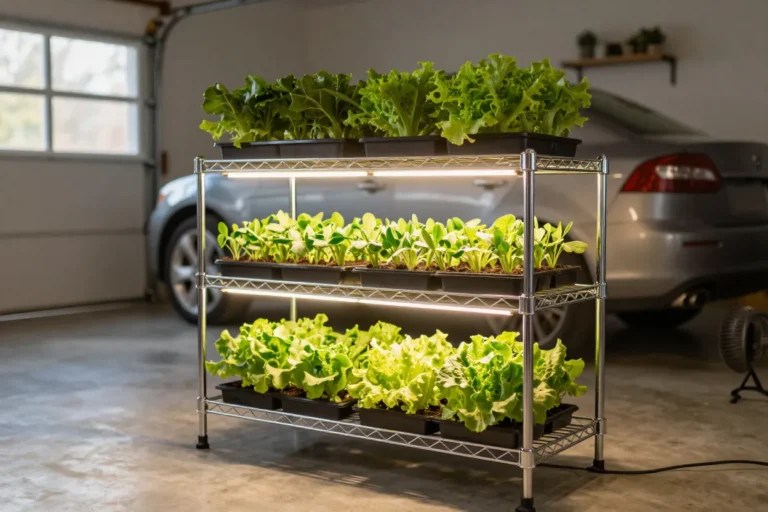
Quick answer: Yes, you can grow vegetables in a garage, even with no windows, as long as you add a grow light. Measure the overnight low for a week first: below 35°F is storage only, 45–60°F grows lettuce, spinach, microgreens and herbs well, and 60°F or more lets you try dwarf tomatoes and peppers. Get…

Quick answer: Lift the pot and push a finger two inches into the mix. A light, dry pot means water (soak it from below if water runs straight through). A heavy, soggy pot with a wilting plant usually means root rot, so stop watering and fix drainage. Wilting at 3pm with damp soil is heat,…
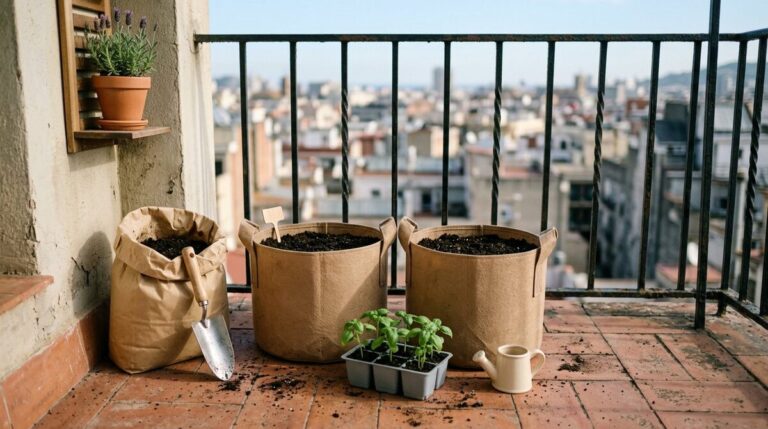
A gift guide for the balcony and windowsill gardener in your life, matched to what they actually grow and how much space they have.
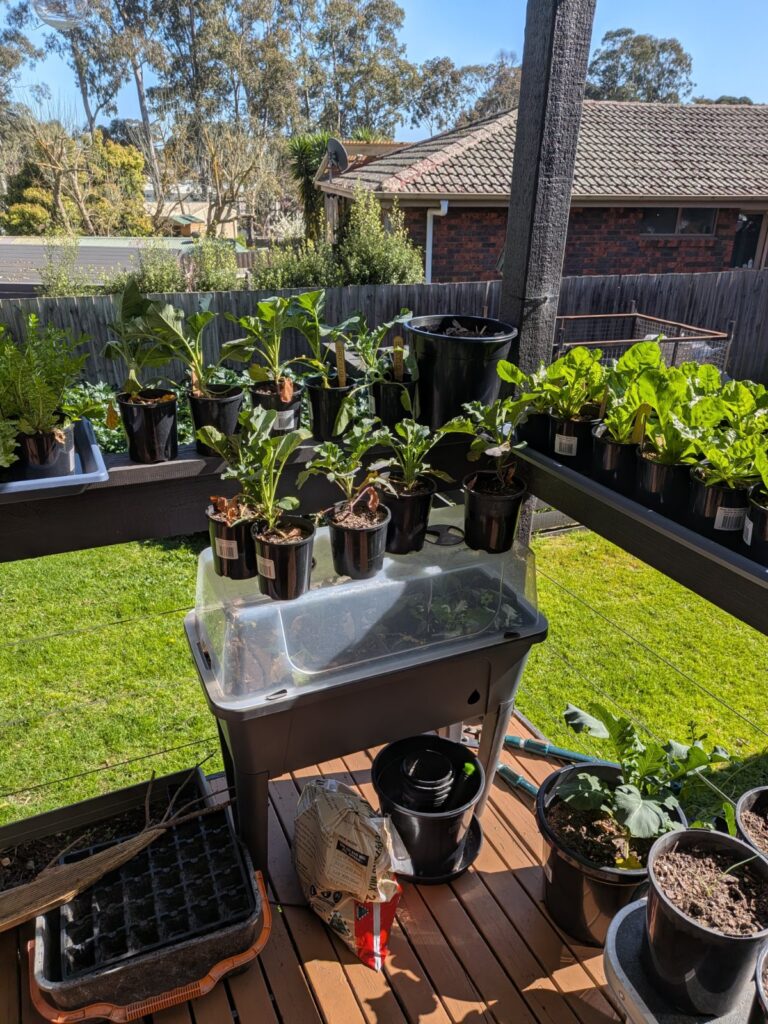
The first frost is coming. You know it. Your phone weather app knows it. And right now, your balcony spinach and lettuce are growing like they’ve got all the time in the world. They don’t. This post contains affiliate links, meaning we may earn a small commission at no extra cost to you — full…

Quick answer: Work back from your area’s average first frost date. Take the days to maturity on the seed packet, add about two weeks because growth slows as fall days shorten, and sow cool-season greens (leaf lettuce, arugula, spinach, kale) by that date in pots at least 6–8 inches deep. Give them four or more…
We use cookies to keep the site working and to see which guides are useful. You can accept or decline analytics cookies, and change your mind at any time.