
How Often Should You Water Container Vegetables? A Beginner’s Watering Schedule
Most beginner container gardens don’t fail because of bad soil or a poor sunny spot. They fail because of watering — either too little, too often, or on a fixed schedule that doesn’t match what’s actually happening in the pot. One plant, one pot, one harvest only works if the “one pot” part gets enough water without drowning. Here’s how to actually get it right.
This post contains affiliate links, meaning we may earn a small commission at no extra cost to you — full details are on our Affiliate Disclosure page.
Why “Water Every 3 Days” Doesn’t Work
According to the University of Maryland Extension, how often a container needs water depends on the plant type, the plant’s size, the size of the container, sun exposure, and how much soil volume is actually holding moisture — not a fixed number of days. A 5-gallon tomato pot in full sun and a 1-gallon herb pot in partial shade are never on the same schedule, even sitting side by side on the same balcony.
Containers also dry out faster than garden beds, full stop. There’s less soil to buffer temperature and moisture swings, and drainage holes (which your containers need — see our guide to pot size and drainage) mean water moves through faster than it does in the ground. That’s normal, not a sign you’re doing something wrong.
The Only Test That Actually Works
Skip the calendar. The University of Illinois Extension puts it simply: feel the soil, and if the first inch or so is dry, water. When you do water, water thoroughly — enough that it runs out the drainage holes, not just a splash on top. A light daily sprinkle that never reaches the roots is worse than a deeper watering every few days, because it trains roots to stay near the surface where they dry out fastest.

How Often, By What You’re Growing
“Check the soil” is the right rule, but knowing what to expect helps you catch a problem before the plant tells you the hard way.

Tomatoes & Peppers
Heavy drinkers, especially once they’re setting fruit. In a hot week, a 5-gallon tomato container can need water daily — sometimes twice on the hottest days. Inconsistent watering here doesn’t just stress the plant. The University of Maryland Extension lists inconsistent, shallow or drought-stressed watering among the triggers of blossom-end rot (a calcium shortage in the developing fruit), so this is one pot worth checking every single day once summer heat sets in.
Leafy Greens & Microgreens
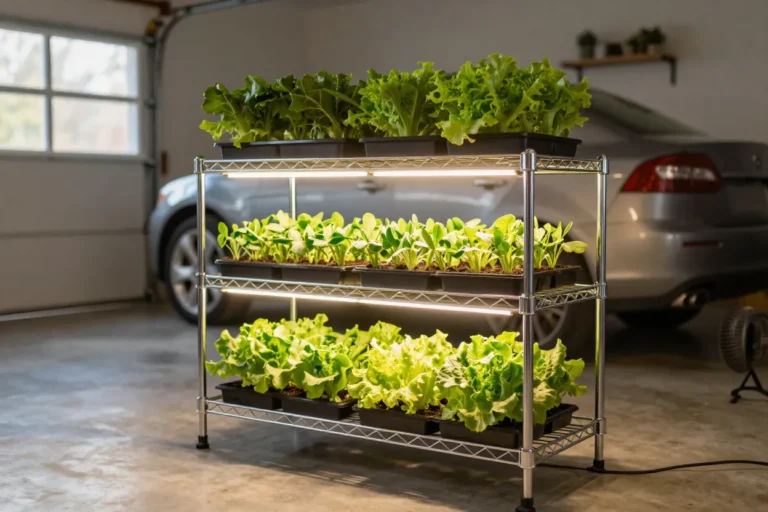
Shallow roots in a shallow amount of soil means these dry out fast, often within a day in warm weather. The upside: they also recover quickly from a missed day, and they’re far more forgiving of a light, frequent watering habit than tomatoes are.
Herbs
This is where a lot of beginners overwater. Mediterranean herbs — rosemary, thyme, oregano — actually prefer to dry out noticeably between waterings and will rot in soil that’s kept constantly moist. Basil and mint are the opposite: they want consistently moist (not soggy) soil and will wilt dramatically the moment they dry out. Growing both in the same windowbox is one of the more common beginner mismatches — they simply don’t want the same watering habit.
Hanging & Vertical Planters
These dry out fastest of anything on this list. With air moving around most or all of the container, not just the top, moisture disappears quickly even in mild weather — check these daily during the growing season, not every few days.
Signs You’re Overwatering (More Common Than You’d Think)
Overwatering is the more common beginner mistake, not underwatering — it’s easy to assume more water always helps. The University of Illinois Extension warns that a waterlogged container starves roots of oxygen, leading to poor growth and, eventually, a dead plant. Watch for yellowing on the lower/older leaves first, stems that feel soft or mushy, a sour smell from the soil, or small flies hovering around the pot (fungus gnats breed in soil that never dries out). If you see these, let the top inch or two dry out fully before watering again, and make sure your container actually has drainage holes and isn’t sitting in a saucer full of standing water.
Signs You’re Underwatering
Wilting is the obvious sign, but by the time a plant visibly wilts it’s already stressed. The University of Illinois Extension notes that letting a container dry out completely can cause flowers and developing fruit to drop — so on a tomato or pepper plant, underwatering doesn’t just cost you leaves, it costs you the harvest itself. The University of Maryland Extension adds a specific warning sign for containers: if the soil pulls away from the edges of the pot, leaving a visible gap, water poured in afterward can run straight down that gap and out the bottom without actually rehydrating the soil — you’ll need to water slowly in stages, or set the whole pot in a shallow tray of water, to rehydrate it properly.
Container Material Matters Too
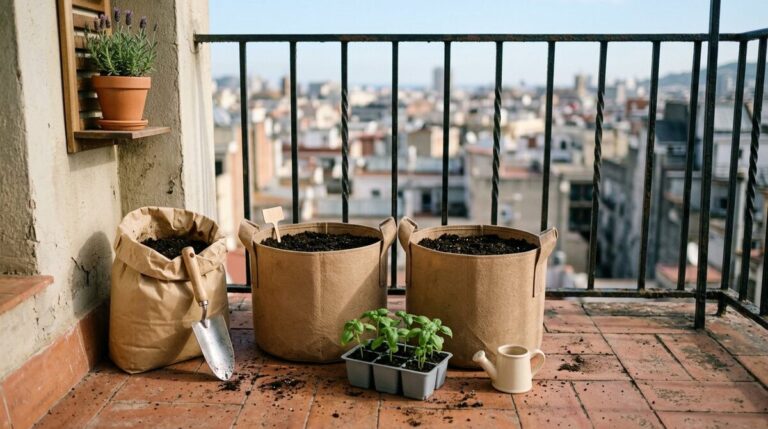
Unglazed terracotta is porous and dries out fastest of any common container material — good for herbs that want to dry between waterings, high-maintenance for anything that doesn’t. Plastic and glazed ceramic hold moisture much longer, which is part of why fabric grow bags and plastic containers are a more forgiving choice for thirstier vegetables. Dark-colored containers absorb more heat in direct sun, which speeds up how fast the soil inside dries — worth factoring in if your balcony gets strong afternoon light.
If daily watering just isn’t realistic for you, a reservoir-style planter can stretch the gap to a few days. Here’s our honest take on whether self-watering containers are worth it.
A Simple Beginner Routine
- During the growing season, check the top inch of soil with your finger daily — it takes ten seconds per pot.
- When it’s dry, water slowly and thoroughly until it drains from the bottom.
- Empty any saucers or trays after watering so roots aren’t sitting in standing water.
- Group pots with similar watering needs together (tomatoes with tomatoes, Mediterranean herbs with Mediterranean herbs) so you’re not compromising between two different plants’ needs in the same watering pass.
If you travel often or know you’ll forget a day here and there, a self-watering container system takes the daily guesswork out of the thirstiest plants on this list — it won’t replace checking on your plants entirely, but it buys real margin for error.
Still Losing Plants Even With a Good Watering Routine?
If you’re checking the soil regularly and still seeing wilting, yellowing, or stunted growth, watering may not be the actual cause. Our symptom-by-symptom troubleshooting guide walks through the other common culprits — light, soil, pests, and root-bound containers — so you’re not stuck guessing.
Get the watering habit right, and a huge share of the usual beginner container-gardening problems solve themselves before they start. That’s the whole point of starting with one plant, one pot: it’s a lot easier to get one pot’s watering right than to guess at twelve.