
Best Vegetables for Hanging Planters
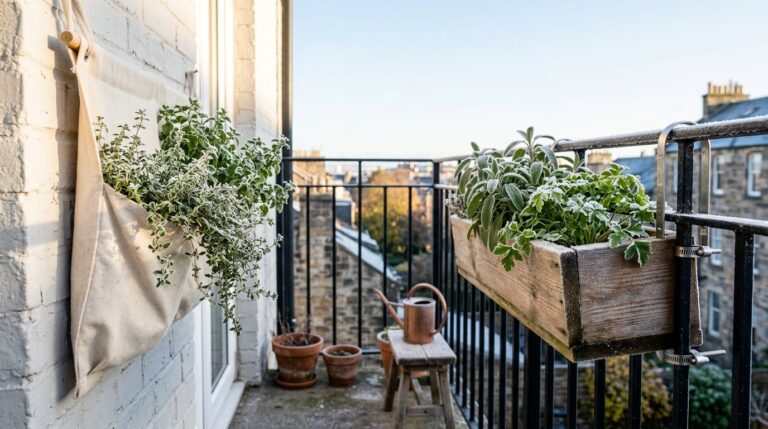
Not every vegetable that grows well in a pot grows well hanging off a railing or clipped to a wall bracket. A hanging planter has to deal with things a ground-level tub never does — its own weight swinging in the wind, a much shallower root zone, and the fact that whatever drips out the bottom lands on something (or someone) below. The good news is that once you know what to look for, there’s a solid list of vegetables that actually do better vertical than they do sitting on the ground.
This post contains affiliate links, meaning we may earn a small commission at no extra cost to you — full details are on our Affiliate Disclosure page.
Quick answer: The best vegetables for hanging planters are small, shallow-rooted and trailing: trailing cherry tomatoes like Tumbling Tom, strawberries, loose-leaf lettuce and salad greens, dwarf peas, and edible nasturtium. Give a cherry tomato at least 1–2 gallons of mix, which means a basket about 12 inches across or bigger. Skip squash, corn, root crops and full-size vining tomatoes. Hanging baskets dry out fast, so check them daily in summer.
In this guide: What makes a good pick · Best choices · What to skip · Matching plant to depth · Watering without drips · Starter combination · Common mistakes · FAQ
What Makes a Vegetable Good for a Hanging Planter
- Shallow, compact roots. Most hanging planters and railing boxes are 6–10 inches deep at most — noticeably shallower than a floor tub. Anything that needs a deep taproot is fighting the container from day one.
- Light when wet. Wet potting mix is heavy, and a hanging bracket or railing clamp has a weight limit. A planter loaded with a sprawling, water-hungry vine is a different proposition than one holding a compact trailing plant.
- Trails or stays compact — doesn’t grow tall and top-heavy. A vegetable that wants to climb upward pulls a hanging planter off balance. One that trails downward or stays low and bushy works with gravity instead of against it.
- Tolerant of drip. Anything you water from above is going to drip from below for a few minutes. Good for a plant on its own hook over a balcony floor; a genuine problem for one hanging over a neighbor’s patio or a shared walkway.
Best Choices for Hanging Planters
- Trailing cherry tomatoes. Varieties bred to cascade rather than climb — Tumbling Tom and similar trailing cherry types, or a very compact dwarf like Tiny Tim — are the single best-suited vegetable for this format. They stay compact, produce well in a basket holding at least 1–2 gallons of mix (Virginia Tech says 1 gallon for a cherry tomato, the University of Maryland 2), and their habit is literally to hang down over the container’s edge.
- Strawberries. Shallow roots, a naturally trailing runner habit, and light weight even at full size make strawberries close to ideal. A single hanging planter can hold 3–5 plants and keep producing through most of the growing season.
- Bush cucumbers. Only for a big planter. Skip full-size vining cucumbers; compact bush varieties (bred for containers and patios) stay short enough to hang without needing a trellis, and a few fruits trailing over the edge is part of the appeal rather than a problem. Be realistic about size, though: Virginia Tech lists about 5 gallons of mix per cucumber plant, which is more than most hanging baskets hold, so save this one for a large planter on a sturdy bracket.
- Snap peas. A genuinely underused hanging-planter crop — peas are lightweight, shallow-rooted, and happiest with a small support clipped to the planter, because they climb by grabbing on with tendrils. Dwarf varieties can simply spill over the edge. Colorado State Extension suggests about 8 inches of depth for dwarf peas. Best for cooler fall or spring weather rather than summer heat.
- Loose-leaf lettuce and salad greens. Not a “vine” in any sense, but worth including — greens are light, shallow-rooted, and a hanging planter keeps them up off the ground and away from a lot of the pests that go after ground-level pots.
- Nasturtium (edible leaves and flowers). Technically a flower, but both the leaves and blooms are edible with a peppery, watercress-like bite, and few things trail as easily or forgive neglect as well. A good filler plant in a mixed hanging pot.
What to Skip
Some vegetables are popular container crops but a poor fit specifically for hanging or railing setups:
- Full-size vining tomatoes and cucumbers. They want to climb upward on a stake or cage, which fights against a hanging planter’s balance and quickly outgrows the shallow soil volume.
- Anything with a deep taproot — carrots, parsnips, and similar root vegetables need more depth than almost any hanging container offers, and they’ll come out stunted and misshapen.
- Squash and zucchini. Large leaves, heavy fruit, and a sprawling habit make these consistently too heavy and too bulky for a hanging format, even the “bush” varieties.
- Corn. Needs deep, stable rooting and grows tall and top-heavy — the opposite of what a hanging planter can support.
Matching the Plant to the Pocket Depth
- 4–6 inches deep (a shallow pocket planter or narrow railing box): loose-leaf lettuce, salad greens, and nasturtium. Not enough depth for anything that needs to size up.
- 6–8 inches deep: strawberries do well here, and dwarf peas manage at the 8-inch end — enough room for the root system without needing a genuinely deep container.
- 8–10+ inches deep: trailing cherry tomatoes want the extra depth, and at least 1–2 gallons of mix, to support a full season of fruiting without drying out constantly. A bush cucumber needs more again, about 5 gallons. Our pot size chart lists the minimums for 25 crops.
If you’re not sure how deep what you already have actually is, or you’re shopping for a new hanging planter, our pot size and drainage guide covers how to judge a container before you commit a plant to it.
Watering Without the Drip Problem
Drainage is non-negotiable for plant health, but on a hanging planter it’s also a social problem if you’re on a balcony above someone else’s space. A few things help:
- Use a saucer or drip tray that actually fits the planter’s base, and check it regularly — a tray that overflows defeats the purpose.
- Water slowly, in stages. Pouring a full watering can in one go on a shallow pocket planter usually means most of it runs straight through before the soil can absorb it. Two or three smaller pours a few minutes apart give the mix time to soak in. Expect to water often: Iowa State Extension says hanging baskets may need water once a day on hot, sunny days. Water until it just starts to run out the bottom so the whole root ball is wet, and if a basket dries out completely, soak it in a tub of water for an hour or two.
- Consider a self-watering hanging planter or insert. A reservoir at the base lets roots draw water as needed instead of you pouring from above every time, which cuts down on both drip and how often you need to water at all. The self-watering container on our Recommended Gear page works well adapted to a hanging bracket, and it’s a genuine upgrade for anyone hanging a planter over a spot where drips actually matter.
A Simple Starter Combination
If you’re setting up your first hanging vegetable planter and don’t want to overthink it: one trailing cherry tomato as the centerpiece, two or three strawberry plants filling in around the edges, and a nasturtium or two trailing over the rim. All three want similar light (as much direct sun as you can give them), similar watering, and none of them will fight each other for space the way three upright plants would. Use a big basket for this, about 14 inches across or more, because the tomato alone wants 1–2 gallons of mix.
Common Mistakes
- Planting a vining variety and expecting it to trail. “Vining” and “trailing” aren’t the same thing — a vining tomato or cucumber wants to climb up, not hang down, no matter how you position the planter.
- Underestimating wet weight. A planter that seems light when the mix is dry can get surprisingly heavy right after a deep watering. Check the bracket or hook’s weight rating before you fill it, not after.
- Ignoring where the drip lands. Worth checking before you hang anything, not after a neighbor mentions it.
- Skipping the depth check. A beautiful hanging planter that’s only 4 inches deep simply can’t grow a tomato, no matter how compact the variety.
Frequently Asked Questions
What vegetables grow best in hanging planters?
Compact, shallow-rooted plants that trail or stay low: trailing cherry tomatoes such as Tumbling Tom, strawberries, loose-leaf lettuce and salad greens, dwarf peas, and nasturtium, whose leaves and flowers are edible.
How big should a hanging basket be for a tomato?
Virginia Tech Extension lists 1 gallon as the minimum for a cherry tomato and the University of Maryland says 2 gallons, so aim for a basket about 12 inches across or larger and 10 inches deep. Full-size tomatoes need about 5 gallons and don’t suit hanging baskets.
How often should I water a hanging vegetable planter?
Check it every day in summer. Iowa State Extension says hanging baskets may need water once a day on hot, sunny days. Water until it runs out the bottom, and if the mix dries out completely, soak the basket in a tub of water for an hour or two.
Can you grow cucumbers in a hanging basket?
Only a compact bush variety in a large planter. Virginia Tech lists about 5 gallons of mix per cucumber plant, which is more than most hanging baskets hold, so a bush cucumber is better in a pot on the floor unless your bracket can take a big, heavy basket.
What vegetables should I not grow in a hanging planter?
Full-size vining tomatoes and cucumbers, squash and zucchini, corn, and deep-rooted crops like carrots and parsnips. They’re too tall, too heavy or too deep-rooted for a hanging container.
Sources we checked
- Iowa State University Extension: How often should I water plants in hanging baskets?
- Virginia Tech Extension: Vegetable Gardening in Containers (426-336)
- Colorado State University Extension: Vegetable Gardening in Containers (GardenNotes #724)
If you’re just getting started with vertical growing on a balcony or railing, our balcony garden setup for renters guide covers picking renter-safe hanging hardware in the first place. And once fall arrives, our pre-frost checklist for hanging planters walks through what to do with everything on this list once the weather turns. Our Recommended Gear page has the self-watering container mentioned above, plus everything else we actually use.